


Spider Solitaire Deluxe® 2
3.72.39K Reviews
App Specs
- Version
- 4.84.1
- Updated On
- License
- Free
- Downloads
- 1,000,000+
- Developer
- Murka Games Limited
- Categories
- Card
- Platform
- Android, iOS
Screenshots
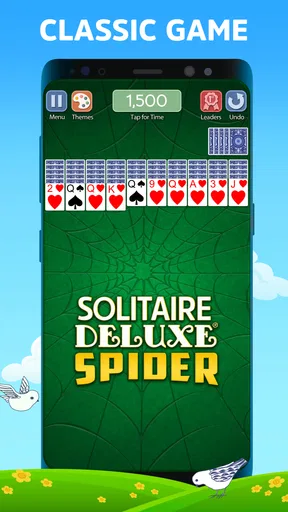
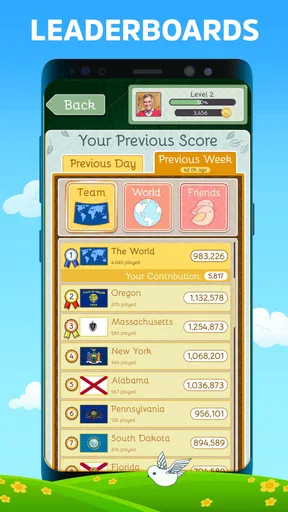
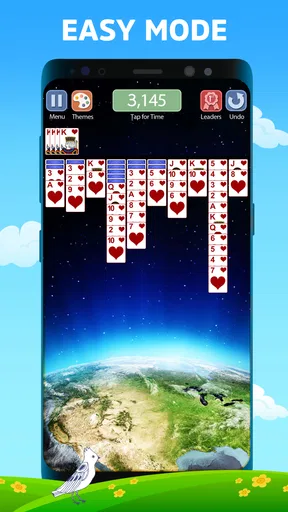
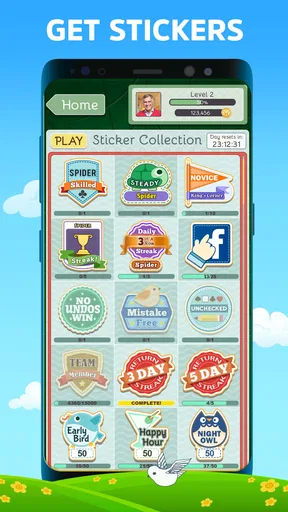
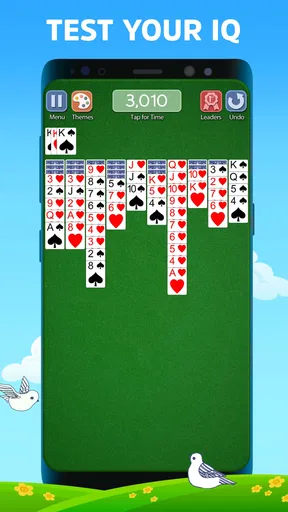
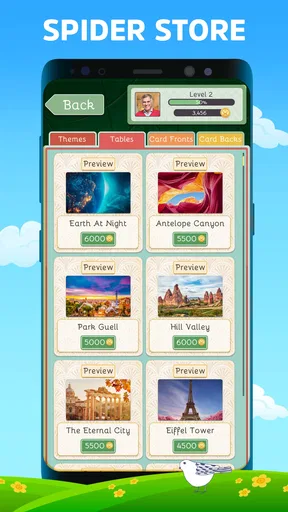
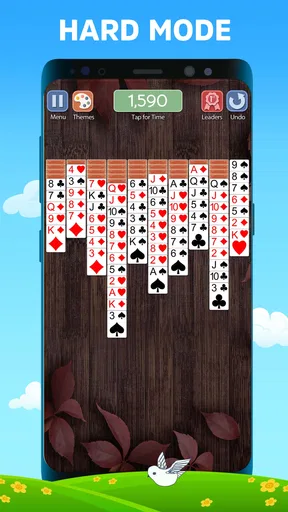
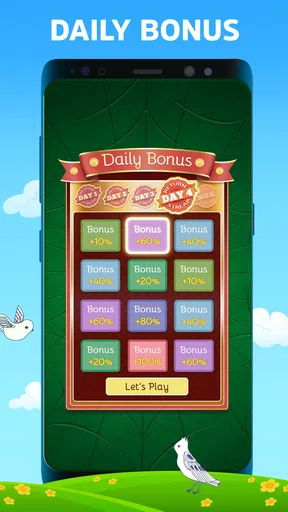
 Analysis by AppCompare
I usually turn to a solitaire game when I want something quiet, familiar, and easy to pause. Spider Solitaire Deluxe® 2 fits that mood well, but it is not simply a digital pack of cards. Its appeal comes from the way each hand gives me a small problem to solve, then invites me to try again when my choices go wrong. Developed by Murka Games Limited, this free card game is aimed at players who enjoy classic solitaire rules with a more game-like sense of progress.
After spending time with it, my impression is mixed in a useful way. The basic card play is approachable, the sessions work well in short breaks, and the Spider format still has enough depth to reward careful planning. At the same time, the experience is not ideal for everyone. Players looking for a completely plain, distraction-free solitaire table may prefer a simpler alternative, while people who dislike optional purchases may find the surrounding progression less comfortable than the cards themselves.
How the first sessions establish a goal
The early appeal is immediate: arrange cards in descending order, build sequences, and clear the tableau by completing suits. That familiar structure gives me a clear objective without forcing me through a long tutorial. Even if I already know Spider Solitaire, the first hands are useful because they let me settle into the app’s particular rhythm rather than learn a complicated ruleset.
What makes the opening feel more game-like is the presence of goals beyond merely finishing one hand. I find myself thinking about whether a move is safe, whether I should expose a hidden card now, and whether keeping a mixed sequence intact will give me more options later. Those decisions create short-term targets inside every deal. The larger sense of progress comes from returning to the game and trying to handle the next challenge more confidently.
This is a good fit for a commute, a waiting room, or a few minutes before bed. I can start a hand without needing a large block of uninterrupted time, and the card format makes it easy to stop thinking about the game when something else needs my attention. It also works for players who want light brain training rather than a fast arcade experience. The store presents it as a classic card game that can train your brain, and I think that description makes sense when understood as practice in sequencing, memory, and forward planning rather than a formal learning tool.
The first important tip is to avoid treating every available move as equally good. In Spider, moving a card can create a neat-looking stack while quietly blocking a more valuable path. I get better results when I first look for moves that reveal a face-down card or create an empty column. Those openings usually matter more than making a sequence look tidy. It is a small change in mindset, but it makes the early hands feel less random and more deliberate.
Progress that is easy to feel during play
One strength of this version is that progress is not limited to the final win screen. I notice improvement when I preserve more useful spaces, uncover hidden cards earlier, and avoid using up my flexible moves too soon. Even a lost hand can show me where the position became impossible. That feedback gives the game a practical learning loop: play, identify the mistake, and approach a similar situation differently next time.
Worth Reading Before You Choose

EA SPORTS FC Mobile 26 Is a Bigger Football Game, but It Takes Time

Flipboard Shows What News Apps Must Do Beyond the Feed

Switching to Android Auto Means Rethinking Your Driving Routine

Google Calendar Makes a Crowded Week Easier to Manage

Ludo King Makes the Most of the Minutes Between Plans

Baby Panda World Brings Quick Play to Modern Phones, but Its Game Library Feels Busy
For me, the best progress signal is the changing quality of my decisions. At first, I tend to build the longest visible sequence immediately. Later, I become more patient. I may leave a card where it is because moving it would close off a column, or delay a completed-looking stack until I have checked what it prevents. The game does not need elaborate explanations to make that improvement satisfying; the board itself shows whether my planning is becoming sharper.
There is also value in setting personal goals instead of relying only on formal rewards. I might aim to finish a hand with fewer unnecessary rearrangements, expose all available hidden cards before dealing again, or avoid undoing a move unless it genuinely changes the position. These self-imposed targets are especially useful for experienced solitaire players who have already mastered the basic rules and need a reason to keep engaging.
A realistic everyday routine would be to play one hand during a lunch break, then stop even if the result is not perfect. On a later break, I can return with a fresh view of the same kind of decision-making without feeling that I have committed to a long session. That pacing is one of the game’s most practical qualities. It supports casual play, but it can also absorb a longer evening when I want a repetitive puzzle that still asks me to pay attention.
One trade-off is that this kind of progress is mostly personal. A player who needs a strong story, a visible collection, or a constant stream of dramatic unlocks may not find enough variety in arranging cards. The satisfaction depends on valuing better play and completed hands. If that sounds too subtle, a more feature-heavy card game may provide clearer milestones, even if its underlying decisions are less thoughtful.
Reading the difficulty curve instead of blaming the deal
Spider Solitaire can feel easy when the board offers several clean sequences, then suddenly become demanding when the columns are crowded with mixed suits. The difficulty does not come only from the number of cards. It comes from how much freedom remains after each move. A position with many cards visible can still be manageable if the columns are flexible, while a seemingly promising board can collapse after one careless placement.
I find the difficulty curve most enjoyable when I treat it as a planning test rather than a race. The temptation is to make progress immediately, but the stronger move may be to wait, compare several possible sequences, and preserve a column for later. This makes the game accessible to newcomers while leaving room for experienced players to refine their technique. It also means that a loss is not always evidence of bad luck; sometimes the crucial mistake happened several moves earlier.
My second practical tip is to protect empty columns. An open space is not just a place to park a card. It is a temporary tool that lets me move a longer compatible sequence or reorganize a difficult section. Filling it too quickly can remove the flexibility needed to solve the rest of the board. I try to ask what the empty column will enable before deciding what belongs there, especially when several single cards are available.
Another useful habit is to deal from the remaining stock only after checking whether the current tableau can be improved. Dealing may reveal helpful cards, but it also adds pressure to a position that already needs reorganizing. I prefer to expose as much information as possible first. That approach makes each new row feel like a considered step rather than an automatic button press.
The game is therefore better for patient players than for people who want constant certainty. Some hands may require experimentation, and the most attractive move is not always the correct one. Undoing a decision can help me understand the position, but relying on reversals too freely can remove the challenge. I get more value when I use a second attempt to test a different plan, not simply rewind until the board solves itself.
Where the pacing works and where it may create pressure
The free entry point is important because it lets me test whether the Spider format suits my habits before spending anything. The game is rated for Everyone, so its basic presentation is suitable for a broad audience, including casual players who want a familiar card pastime. It is also available for devices running Android 6.0 or later, which keeps the compatibility requirement relatively approachable for people using older supported phones or tablets.
Still, free-to-play design can influence how a player experiences progress. The app includes in-app purchases ranging from $4.99 to $49.99 per item. I would approach those options carefully. They may be reasonable for someone who plays often and wants to support the game, but they are not necessary for deciding whether the core card play is enjoyable. My advice is to play long enough to understand the normal rhythm before considering a purchase, rather than treating spending as a shortcut through a difficult hand.
This is where the game’s retention pressure matters. A player who enjoys small goals and repeated attempts may find the progression motivating. Someone who prefers a clean, one-purpose utility with no surrounding incentive to return may feel that the extra layer gets in the way. I would skip it if my ideal solitaire experience is a completely minimal board with no interest in ongoing goals or optional spending.
The pacing itself is usually calmer than competitive card games. There is no need to react to another player, and the turn-by-turn structure gives me time to inspect the tableau. However, calm does not mean effortless. The game can hold my attention because every move changes the future shape of the board. That combination is useful when I want something mentally active but not emotionally intense.
For players concerned about whether they need to pay to enjoy it, my answer is simple: the free version is the sensible starting point. The purchase range is worth knowing before installing, but it does not change the fact that the main attraction is the solitaire decision-making. I would only spend if I had already formed a regular habit and felt the available extras improved that habit. Anyone uncomfortable with optional purchases should set a personal limit in advance and treat the game as a free casual pastime.
How it compares with simpler solitaire choices
Compared with a basic Spider Solitaire app that focuses only on the board, this version feels more like a game with a continuing reason to return. That can make it more inviting for newcomers, because the experience has a sense of direction beyond opening a random deal. It can also make it less appealing to purists who want the fewest possible menus, goals, or interruptions between hands.
Compared with other card games, it is slower and more reflective. There is no bluffing, no opponent to read, and no need to memorize a large collection of special abilities. That makes it a better choice for solo concentration. On the other hand, players who enjoy social competition or dramatic changes from one match to the next may find the repeated Spider structure too narrow.
I also think it occupies a useful middle ground between a puzzle app and a traditional card table. The rules remain recognizable, but the repeated goals encourage me to treat each hand as practice. This is particularly helpful for someone returning to solitaire after a long break. The app does not require a deep card-game background, yet it gives experienced players enough room to think about order, space, and risk.
The developer, Murka Games Limited, has positioned the title as a recognizable Spider Solitaire experience rather than an entirely new card system. That is a strength when familiarity matters. It is also the main limitation: if I want a radically different mechanic, a narrative campaign, or a multiplayer contest, I would look elsewhere. This game succeeds by polishing a known format and giving it a more persistent play loop, not by reinventing solitaire.
Who will get the most from the progression
I would recommend it to someone who likes card puzzles, wants sessions that can be short or extended, and enjoys improving through repeated decisions. It is especially suitable for players who find satisfaction in noticing that they now recognize a bad move earlier than they used to. The game also suits people who want a quiet activity that occupies the hands and mind without demanding sound, social coordination, or a fixed appointment.
It is less suitable for players who become frustrated when a puzzle requires restarting, or for anyone who wants every session to feel dramatically different. It may also disappoint people who are searching for a fully stripped-down solitaire tool. In those cases, a simpler alternative would probably be better because it would put the cards first and remove the broader progression layer.
Before installing, I would ask myself three questions. Do I enjoy Spider Solitaire specifically, rather than solitaire in general? Am I comfortable with a free game that offers optional purchases? And do I want a reason to return after each hand, or would I rather open a plain board and leave immediately? The answers matter more than the broad promise of brain training or the size of the player base.
The game has reached over a million installs, with an average rating of 3.7 from around twelve thousand ratings and roughly two thousand four hundred written reviews. I read those figures as evidence of a sizable audience with a varied response, not as a guarantee that every player will enjoy the same pacing. The number is reassuring if I want a well-established type of app, but my own preference would still depend on how much surrounding progression I want around the classic rules.
My verdict on the long-term loop
Spider Solitaire Deluxe® 2 works best when I approach it as a patient, repeatable card puzzle rather than a flashy game. Its early goals come from clearing sequences and making better choices, its progress signals come from improved board control, and its difficulty grows through the consequences of poor planning. That is enough to sustain me when I enjoy gradual mastery.
The current version is 4.84.1, and the game remains free to start. Those details make it easy to try, while the Everyone age rating keeps its audience broad. The important question is not whether it contains a huge amount of content, but whether the central Spider loop gives me a satisfying reason to play another hand. For me, it does, especially in short sessions where I want concentration without pressure.
My final recommendation is conditional but positive: try it if you want familiar solitaire with a stronger sense of ongoing play, and give yourself time to learn when to preserve space instead of chasing immediate sequences. Skip it if you want an entirely bare-bones card table or dislike optional purchase systems. As a free card game, it earns its place through thoughtful decisions and flexible pacing, but its long-term appeal depends on whether personal improvement feels like a meaningful unlock in itself.
Pros
- Smooth
- responsive controls make card placement quick and comfortable.
- Multiple difficulty levels suit both casual players and experienced solitaire fans.
- Clear card designs remain easy to read on smaller phone screens.
- Short games work well for quick breaks or daily play sessions.
- Undo options help correct accidental moves without restarting the game.
Cons
- Advertising can interrupt the experience
- especially in the free version.
- Some advanced features may require in-app purchases or an upgrade.
- Random deals may occasionally feel frustrating or difficult to complete.
- The interface can feel dated compared with newer solitaire apps.
- Limited social features may disappoint players seeking competitive gameplay.
FAQs for Spider Solitaire Deluxe® 2
What is Spider Solitaire Deluxe® 2, and how is it played?
Spider Solitaire Deluxe® 2 is a digital version of the classic Spider card game, where you arrange cards in descending order and build complete same-suit sequences from King to Ace. Once a sequence is completed, it is removed from the tableau. The game usually offers several difficulty levels, making it suitable for both casual players and people looking for a more demanding solitaire challenge.
Is Spider Solitaire Deluxe® 2 free to download and play?
The app can generally be downloaded without an upfront purchase, but the exact business model may depend on the Android or iOS store version. Players should check the listing for advertising, optional in-app purchases, or premium features before installing. Some editions may include free gameplay with advertisements, while upgrades can provide an ad-free experience or additional customization options.
Does Spider Solitaire Deluxe® 2 work offline?
Spider Solitaire Deluxe® 2 is primarily a single-player card game, so the main solitaire experience may be available without a continuous internet connection. Offline access is useful when playing during travel or in areas with limited service. However, advertisements, store synchronization, updates, leaderboards, or certain online features may require an internet connection, depending on the version installed.
What difficulty levels and features does the game offer?
The main appeal of Spider Solitaire Deluxe® 2 is its flexibility for different skill levels. Players can typically choose easier one-suit games, more balanced two-suit layouts, or challenging four-suit games. The app may also include features such as hints, undo controls, statistics, daily challenges, customizable card designs, and scoring options, although availability can vary between platform versions.
Is Spider Solitaire Deluxe® 2 suitable for beginners?
Yes, the game is generally approachable for beginners because the basic rules are easy to understand and the simpler one-suit mode provides a gentle introduction. Helpful tools such as undo and hints can make early games less frustrating while players learn how to uncover hidden cards and plan sequences. More experienced users can increase the difficulty when they want a deeper strategic challenge.


